June 18, 2026
Storm damage can create serious concerns for homeowners, especially when strong winds, hail, heavy rain, falling branches, or flying debris affect the roof. Because the roof protects the entire home from water intrusion and structural damage, even minor storm-related issues should be taken seriously. Missing shingles, damaged flashing, clogged gutters, loose materials, and hidden leaks can all worsen if repairs are delayed. Knowing what to do after a storm helps homeowners respond calmly, protect their property, and avoid unnecessary confusion during an already stressful situation.
Navigating roof repairs after storm damage requires a careful step-by-step approach. Homeowners should assess visible concerns safely, document damage, prevent further water intrusion when possible, contact the right professionals, understand the insurance process, and schedule repairs before problems spread. A trusted roofing contractor can help identify the full extent of the damage and recommend the most appropriate repairs. With the right plan, homeowners can move from uncertainty to action while protecting the long-term condition and value of their property.
Assessing Damage Safely
After a storm passes, the first priority should always be safety. Homeowners may want to inspect the roof immediately, but climbing onto a damaged roof can be dangerous. Wet shingles, loose materials, broken branches, and unstable surfaces can increase the risk of injury. Instead of walking on the roof, begin by checking the property from the ground. Look for missing shingles, bent gutters, displaced flashing, fallen tree limbs, loose siding, or pieces of roofing material around the yard.
It is also helpful to check the inside of the home for signs of roof damage. Water stains on ceilings, damp attic insulation, peeling paint, musty odors, or active dripping may indicate that water has entered the structure. Even if the roof looks fine from the ground, hidden storm damage may still exist. A careful visual review can help homeowners understand whether professional help from a qualified roofing contractor is needed while avoiding unsafe inspection methods.
Documenting Damage Clearly
Documentation is an important part of handling storm-related roof concerns. Taking clear photos and videos can help create a record of visible damage before temporary repairs or cleanup begins. Homeowners should photograph missing shingles, damaged gutters, fallen branches, interior water stains, and any debris that appears to have affected the roof. This information may be useful when speaking with repair professionals or insurance representatives.
Keeping written notes can also help. Record the date of the storm, the type of weather involved, and when signs of damage were first noticed. If water enters the home, note which rooms were affected and whether the issue worsened over time. Organized documentation can make the repair process easier to explain to a roofing contractor and may help support a more accurate evaluation of the damage.
Preventing Further Problems
After storm damage occurs, preventing additional harm is important. Water can spread quickly through ceilings, insulation, walls, and flooring if a leak remains unaddressed. If it is safe to do so, homeowners can move furniture, electronics, and valuables away from affected areas. Buckets, towels, or plastic coverings may help limit interior damage while waiting for professional service.
Temporary protection should never put personal safety at risk. If a roof is actively leaking or a large section is exposed, a qualified professional should handle emergency covering or stabilization. Quick action can reduce the chance of mold growth, structural damage, and more extensive repairs. The goal is to limit the damage while waiting for a complete inspection and permanent repair plan.
Contacting Qualified Professionals
Once safety concerns and immediate damage control are addressed, homeowners should contact a qualified roofing contractor for an inspection. Storm damage is not always obvious, and trained professionals know what to look for. They can evaluate shingles, flashing, vents, gutters, underlayment, decking, and other components that may have been affected by wind, hail, or falling debris.
Choosing the right professional matters. Homeowners should look for experience, clear communication, proper credentials, and a willingness to explain findings in detail. A dependable contractor will not pressure homeowners into rushed decisions. Instead, they will provide a clear assessment, outline repair options, and help the homeowner understand the next steps for restoring the roof.
Understanding Insurance Steps
Storm damage repairs may involve homeowners' insurance, depending on the policy and the cause of the damage. Homeowners should review their coverage, deductible, and claim requirements as soon as possible after discovering roof problems. Contacting the insurance company early can help clarify what documentation is needed and how the claim process works.
A roofing contractor may provide inspection details, photos, and repair estimates that help homeowners understand the scope of work. However, insurance decisions are made by the insurance provider. Homeowners should keep copies of all paperwork, photos, estimates, and communication related to the storm. Staying organized can make the process less stressful and reduce confusion when repairs are being planned.
Scheduling Repairs Promptly
Timely repairs are essential after storm damage. Even small roof issues can grow worse when exposed to additional rain, wind, or temperature changes. A missing shingle may allow water to reach the underlayment. Damaged flashing may create leaks around chimneys, vents, or skylights. Loose materials may become more vulnerable during the next storm.
According to This Old House, your roof should be inspected every 12 months and after major weather events. This recommendation highlights the importance of checking the roof after storms instead of assuming everything is fine. Scheduling repairs promptly can help prevent minor storm damage from turning into larger problems that affect the interior of the home.
Reviewing Repair Options
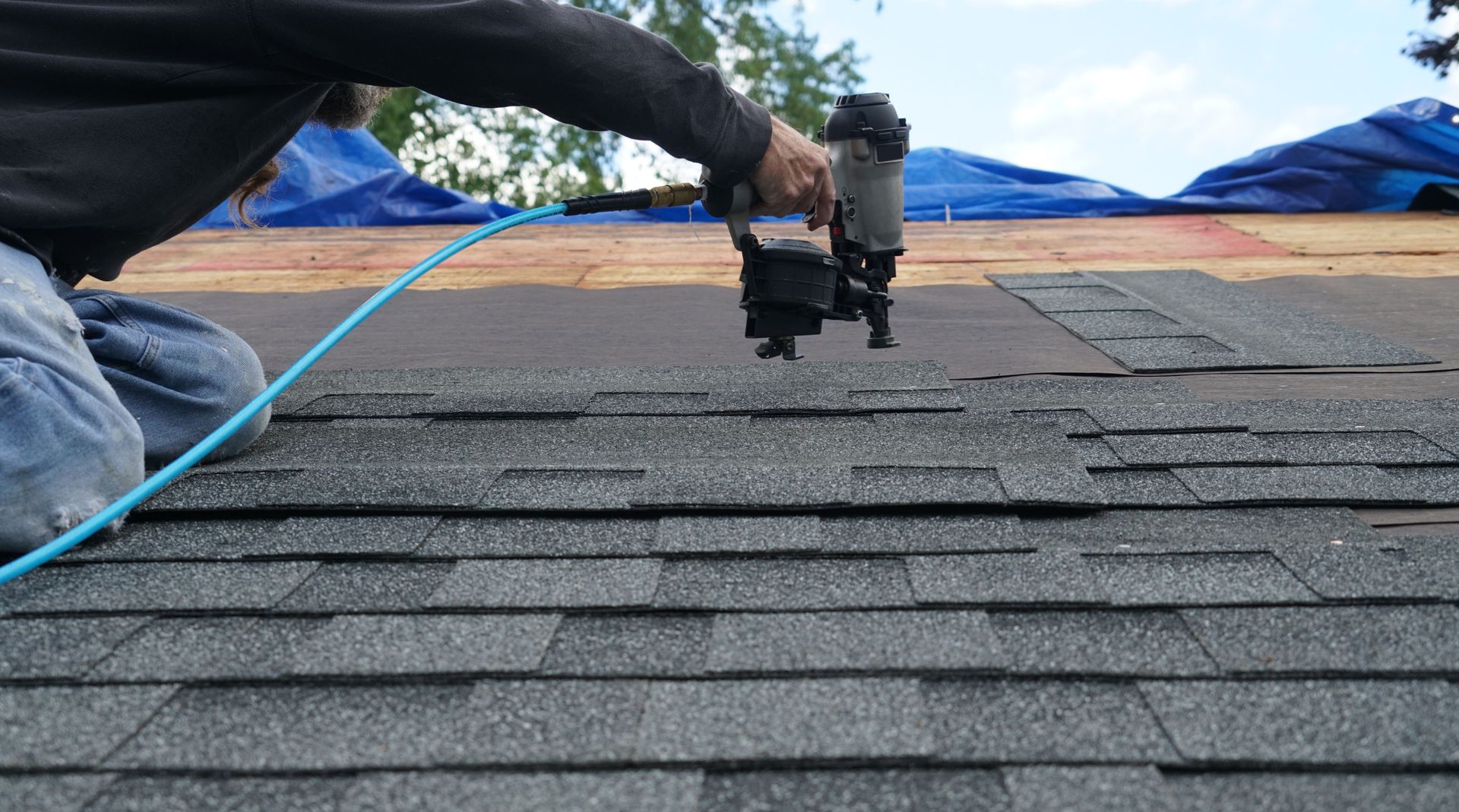
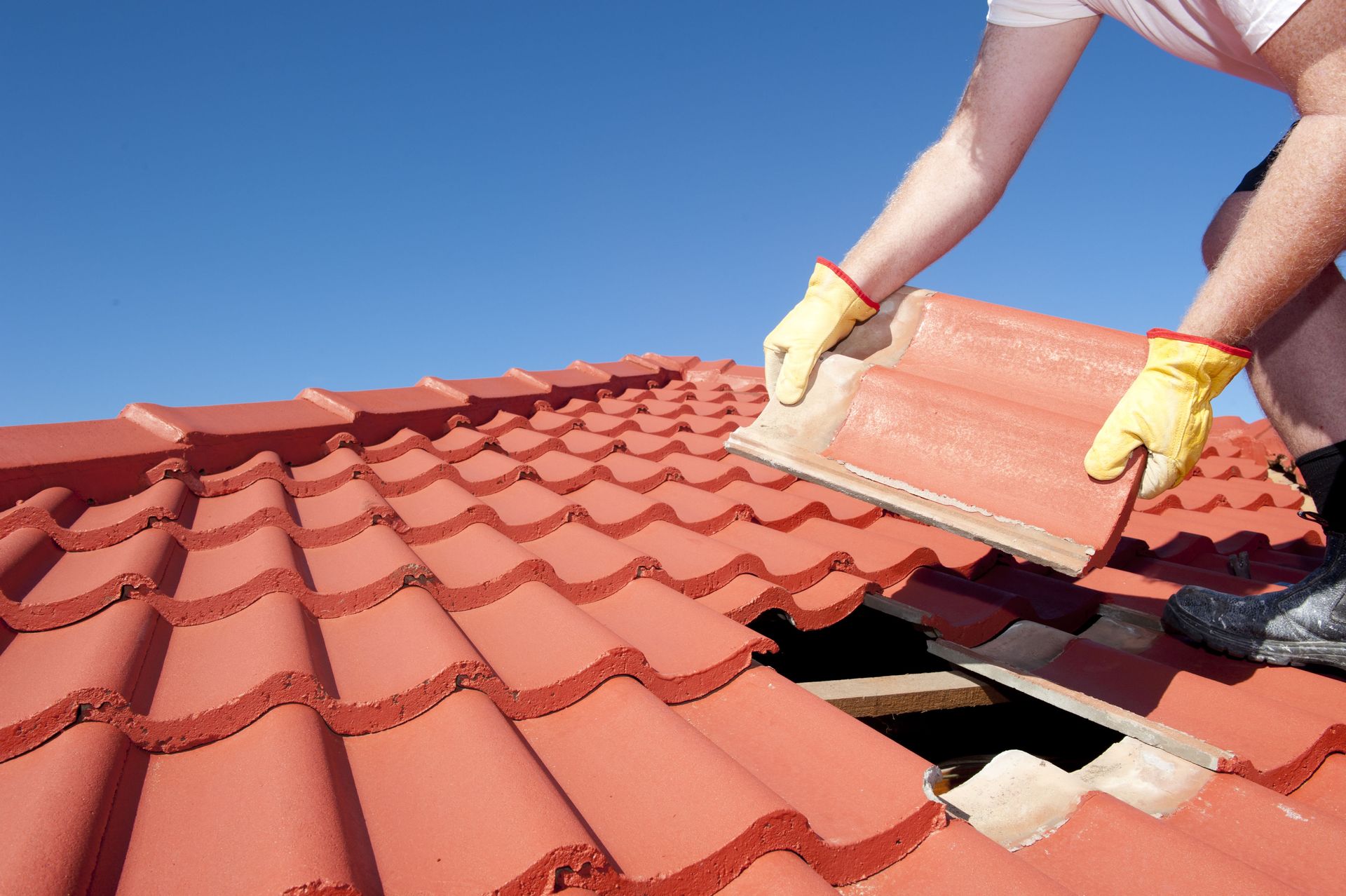
Not all storm damage requires the same solution. Some roofs may only need a few shingles replaced, while others may require flashing repairs, gutter work, leak repairs, or more extensive restoration. The best option depends on the age of the roof, the type of damage, the materials involved, and the overall condition of the system. A roofing contractor can explain whether repairs are practical or whether broader work may be needed.
Homeowners should ask questions before approving repairs. It is reasonable to ask what caused the damage, which areas are affected, what materials will be used, how long the work may take, and whether any warranties apply. Understanding the repair plan helps homeowners feel more confident and reduces the chance of misunderstandings once work begins.
Avoiding Common Mistakes
Homeowners sometimes make rushed decisions after a storm because they feel pressured to resolve damage quickly. While prompt action is important, it is also important to avoid hiring unqualified workers or agreeing to repairs without a clear explanation. Storm situations can attract unreliable contractors who may offer vague promises or push for immediate commitments.
Another common mistake is ignoring damage that appears minor. A small leak, a few missing shingles, or a dented vent may seem manageable, but these issues can allow water intrusion over time. Taking damage seriously and working with a reputable professional helps protect both the roof and the home beneath it.
Roof repairs after storm damage can feel overwhelming, but a clear plan makes the process easier to manage. Homeowners should begin with safety, document visible concerns, prevent further damage when possible, contact qualified professionals, review insurance requirements, and schedule repairs promptly. With professional guidance, storm damage can be addressed properly before it creates larger problems. A trusted roofing contractor can help homeowners understand the condition of their roof and choose the right repair solution. If your home has been affected by severe weather and you need dependable repair support, contact Epoch Roofing today.